Essays & Ideas
Long-form thinking on home studio design, podcast systems, and what it takes to build a creator business that compounds.

The Day the Tolerance Ran Out
Doreca Delbridge told me her tolerance for work she doesn't enjoy collapsed at forty. The business she'd built no longer fit. Here's what that has to do with PodGlue.

When a Beta User Tells You to Spin It Off
Adam Bird watched the PodGlue book builder for ninety seconds and told me to break it out as its own product. He's probably right. Here's why I'm not doing it yet.

The Headline That Stopped Me in 2014
Instacart raised $44M and I quietly stopped building. Twelve years later, a $425M creator economy raise is teaching me the same lesson, except this time I'm not putting the laptop down.
The Music Is Not in the Notes
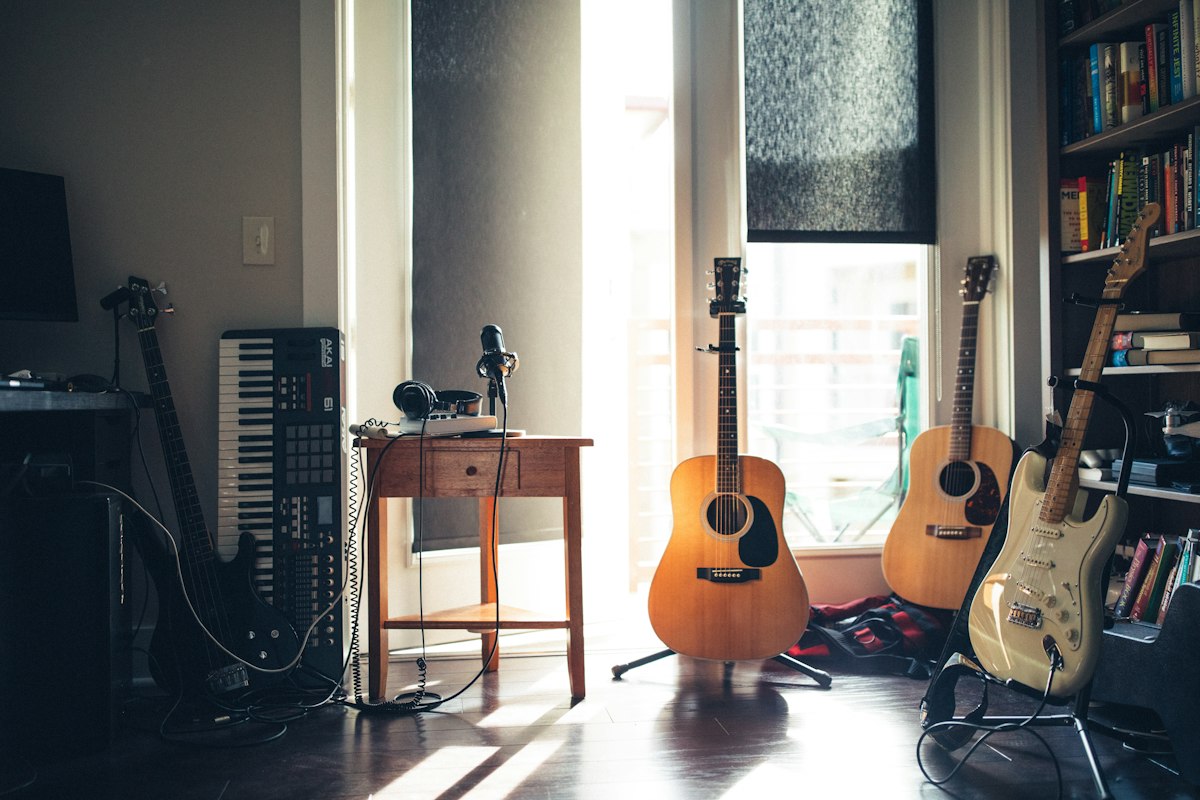
Cordelia has been podcasting for eleven years. Three shows. Dozens of collaborators. Clients who appeared without her asking. The real asset was never the episodes.
The Feedback Loop Problem
Zafar could talk for two hours in a conversation but froze in front of a solo camera. The reason isn't confidence. It's feedback.

The Most Important Talk Hart Has Ever Given
Hart Hagan is speaking at a climate conference next week. Two sessions. An audience that could change the trajectory of his consulting business. He's not treating it like a webinar.

The Azan Came Through the Window
Partway through a call with Zafar, the call to prayer came through his open window. We both stopped. What he said next explained everything about why he podcasts.

How to Turn a Podcast Transcript Into a Book Chapter
I walked Zafar through the exact process I use to turn conversations into chapters. It starts with a transcript and ends with a published book on Amazon.

Not All AI Is Equal
Hart spent an hour and a half with Microsoft Copilot trying to fix something on his website. Fifteen minutes with ChatGPT later, it was done. There's a real lesson in that.
Your Accent Is Acting. You Just Don't Know It Yet.
Zafar was convinced his English accent was the ceiling on his podcasting career. Then I told him how Tom Holland speaks American English.

One Headline. Five Articles. One Afternoon.
I saw a Business Insider article about 100,000 layoffs. Two hours later I had five blog posts drafted and pushed to GitHub. Here's exactly how that happened.
Color In the Hours
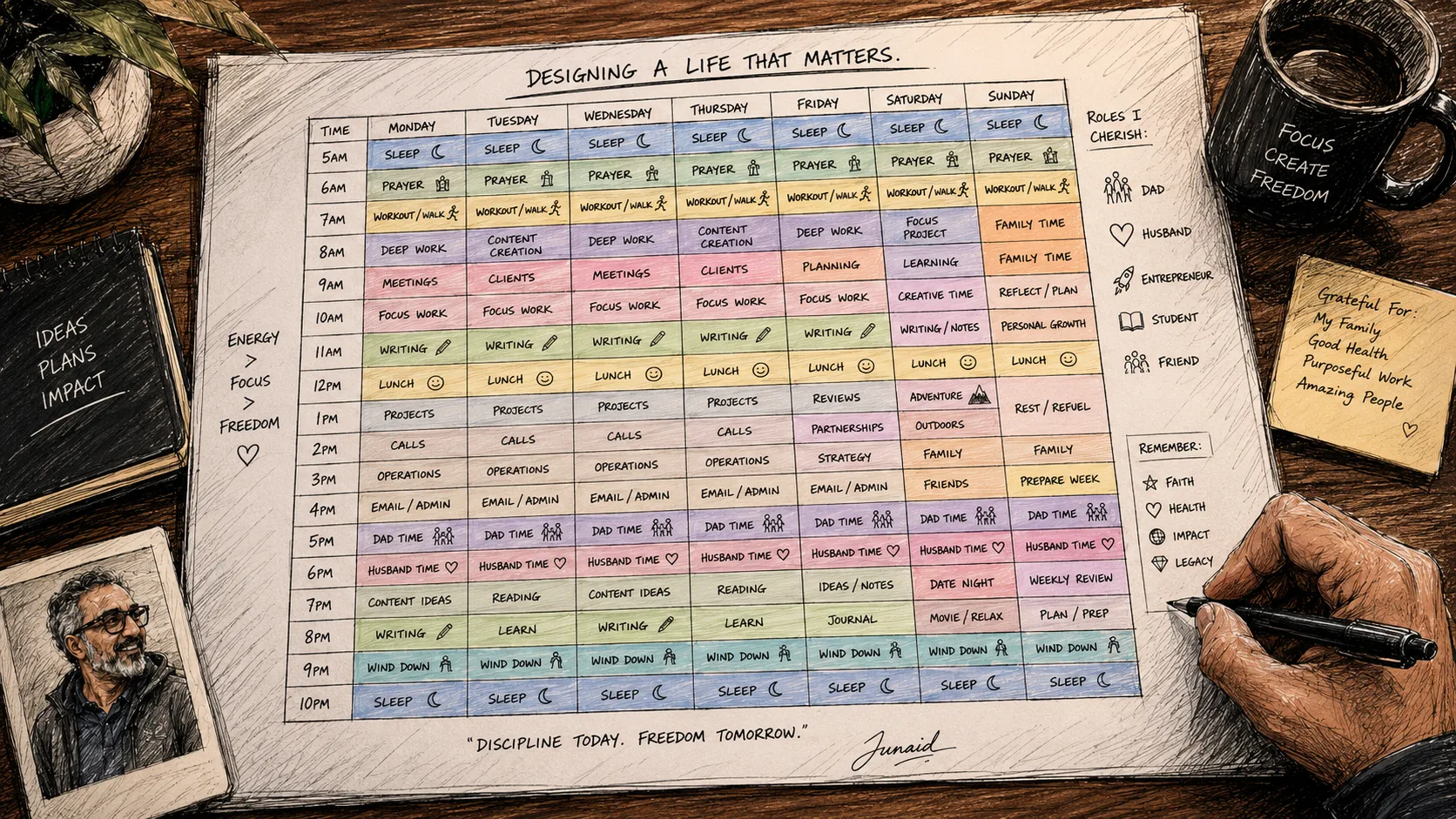
I'm working with a coach on my personal brand. She gave me a chart and told me to fill in every hour. What I saw surprised me.

Shelly Has 395 Episodes. She Also Has a Domain She's Never Opened.
Ten years of podcasting, a domain sitting unused, and a market gap nobody's filling. One conversation to connect all three.

Your Voice Is an Asset (But Most People Treat It Like a Liability)
Most people hide their voice because they fear judgment. But your voice is one of the few assets that compounds over time.

Why Most People Lose Their Story Before They Lose Their Job
Before layoffs happen, something else is already gone—your narrative. Here’s why it matters.
He Called Himself the Worst. A Year Later He Had 300 Interviews.
When Zafar Awan first got on a call with me, he had one month of podcasting behind him and was already convinced he was failing. Here's what happened in the fourteen months that followed.

The Narrative Gap: The Difference Between Being Known and Being Remembered
There’s a difference between being known for a title and being remembered for your voice.

I Was Laid Off in 2023. What I Learned About Reclaiming My Narrative
Layoffs are rising again. But the real question isn’t job security—it’s who gets to define your story.
This Is Your TED Talk
I said something offhand about my fridge door. Brian Breen stopped me mid-sentence. He said it was the greatest metaphor he'd ever heard. Here's what I said.
Dave Jackson Said \"That's Wild\"
The Podcast Answer Man has seen every tool in podcasting. When I showed him the book builder in PodGlue, he said it twice.
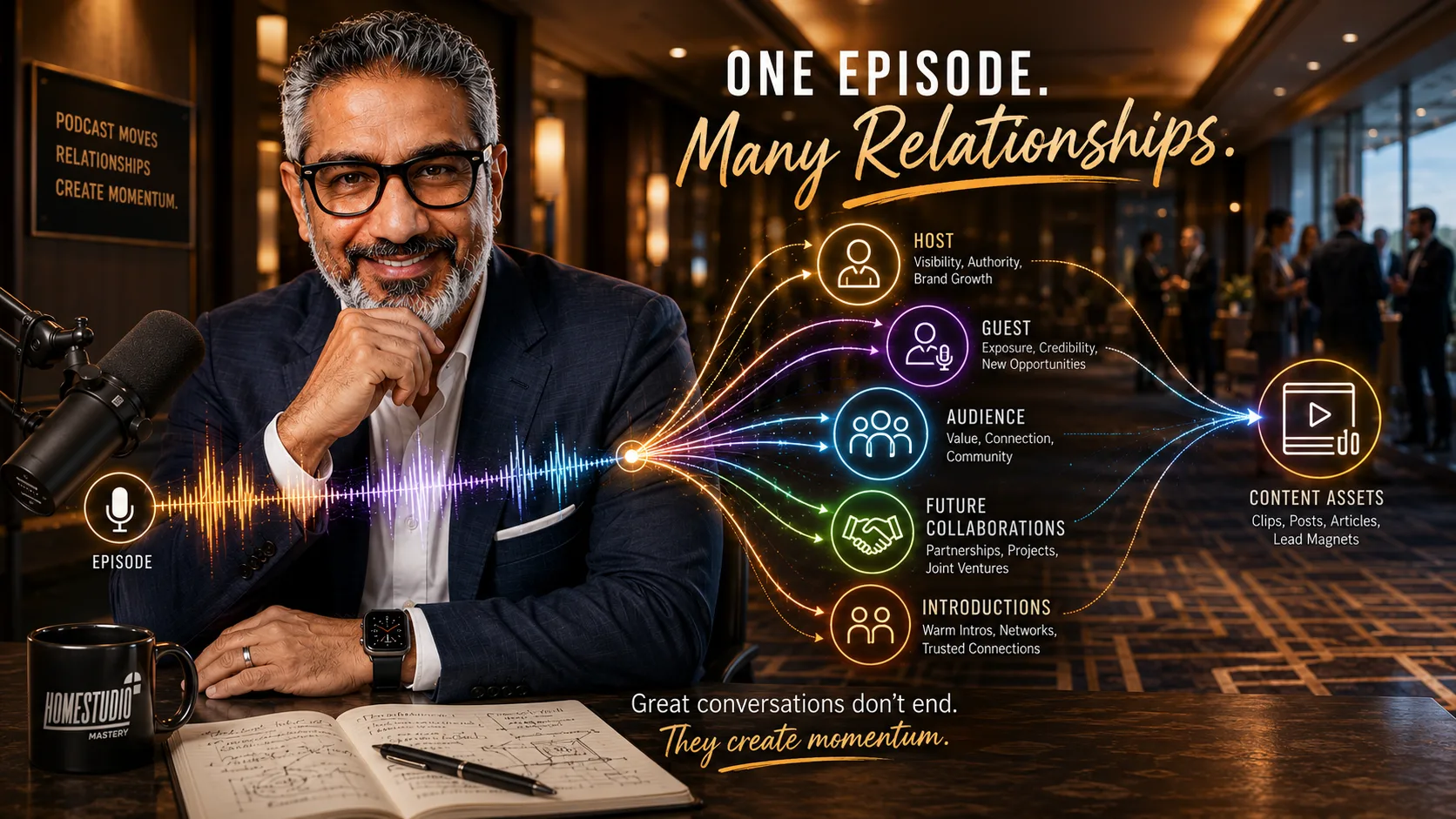
The Episode Is Not the Product
I met Christa at a hotel in DC. She was pivoting her podcast from local businesses to civic journalism — and one conversation flipped how she thought about podcasting entirely.
Twenty Years in the Newsroom — And She Still Had to Figure Out the Hair Light
Shameika Rhymes spent two decades in TV news. When she left and built her own platform, the rules were the same — but nobody was handing her the gear list anymore.
What Is Podcast Relationship Management?
Most podcasters publish an episode and move on. PRM is the system for what happens after — and it's the difference between a show and a compounding asset.
Personal Branding Is Not a Fame Problem — It's a Trust Problem
Yasir Wasi lives ten minutes from me in Ashburn. He's building content for corporate clients. The conversation ended with something I've been thinking about since.
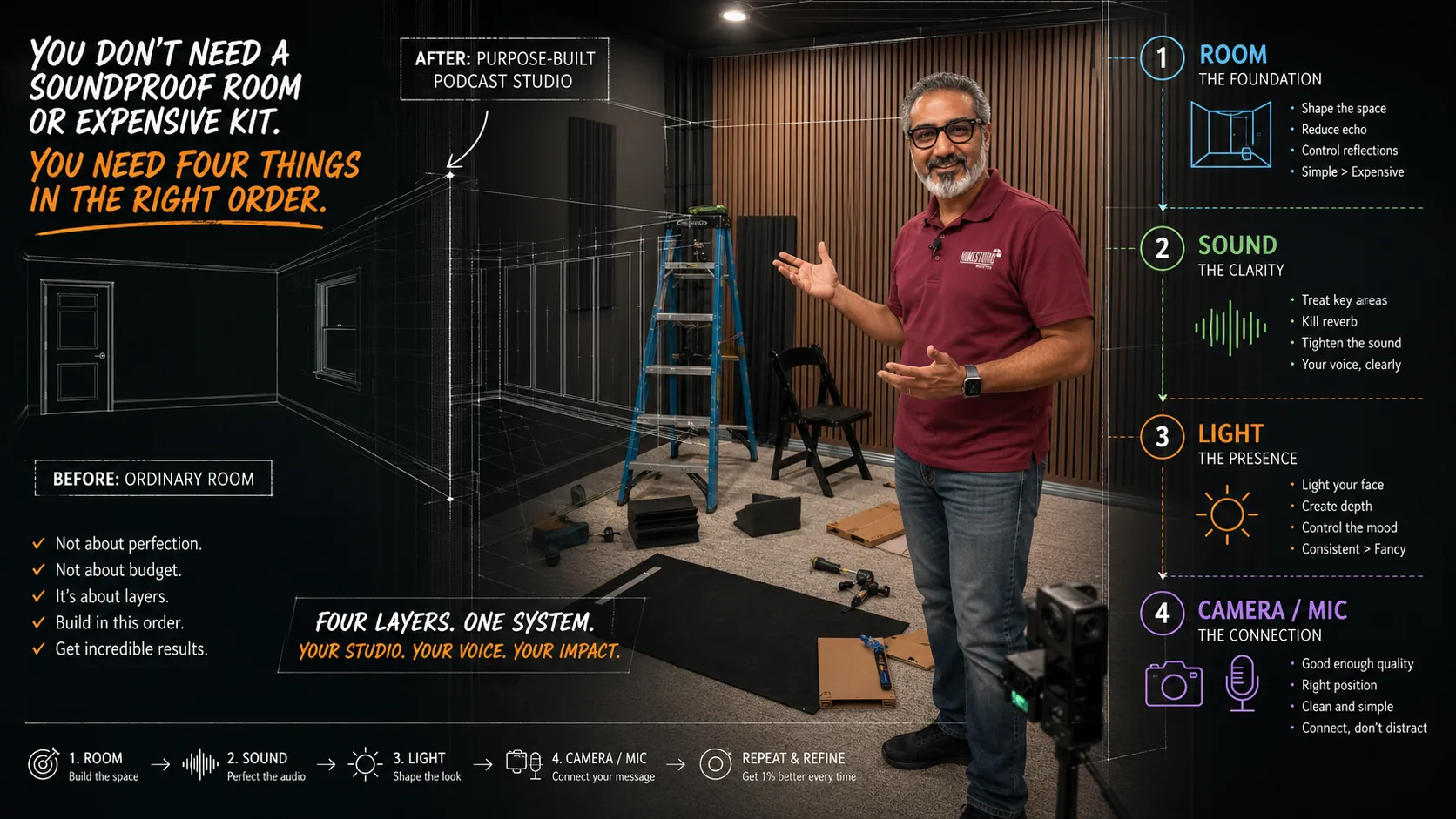
How to Set Up a Home Studio for Podcasting
You don't need a soundproof room or a $3,000 kit. You need four things in the right order. Here's how I'd set up a podcast home studio from scratch — after 30 years in production.

What Is a Home Studio Architect?
It's not a gear consultant. It's the person who works at the intersection of visual design, physical space, and workflow systems — and designs them as one thing.
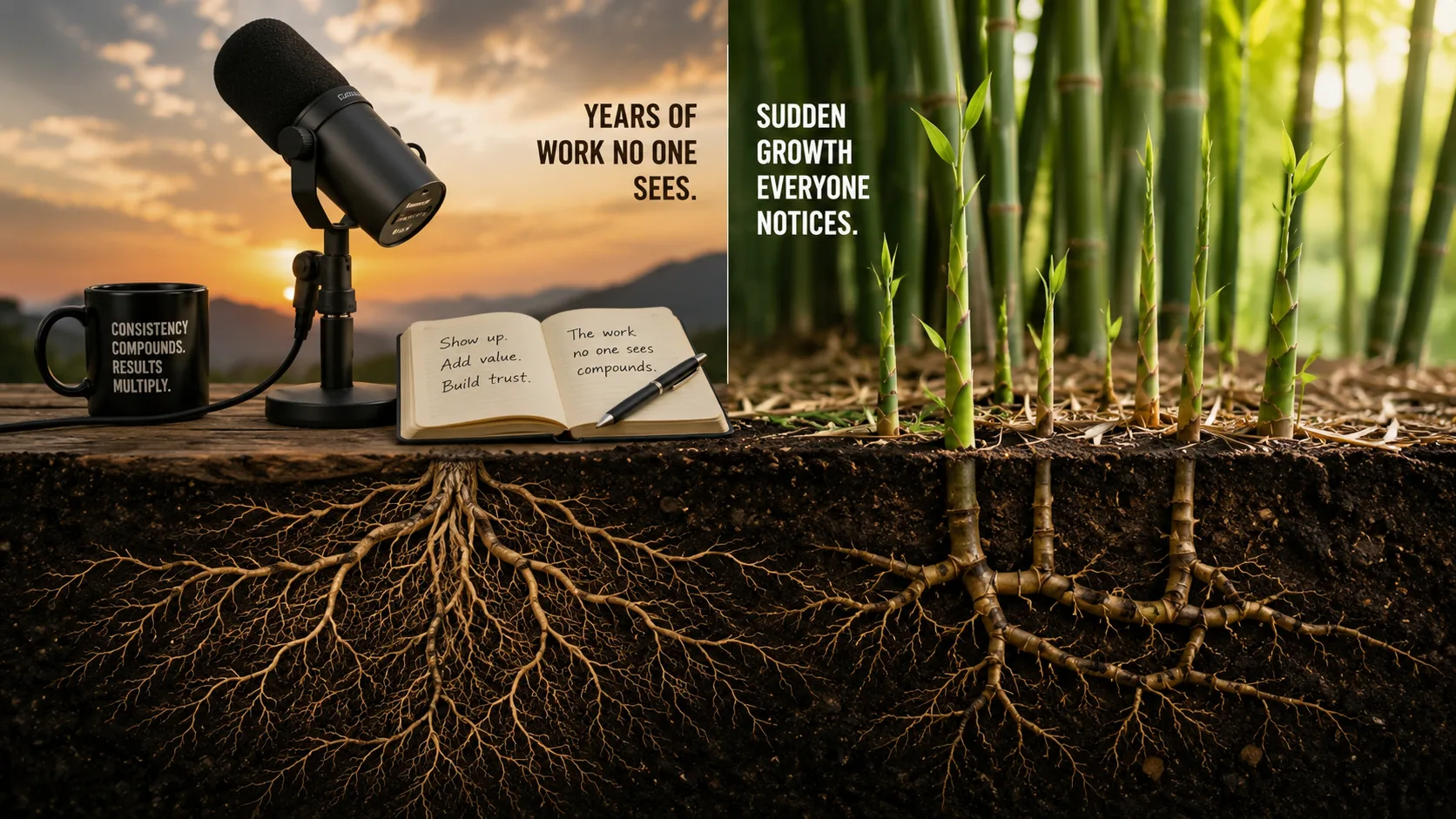
The Chinese Bamboo Tree and What It Taught Me About Podcasting
The Chinese bamboo tree grows 90 feet in 6 weeks — after 4 years underground. Here's what that taught me about showing up when nothing seems to be working.
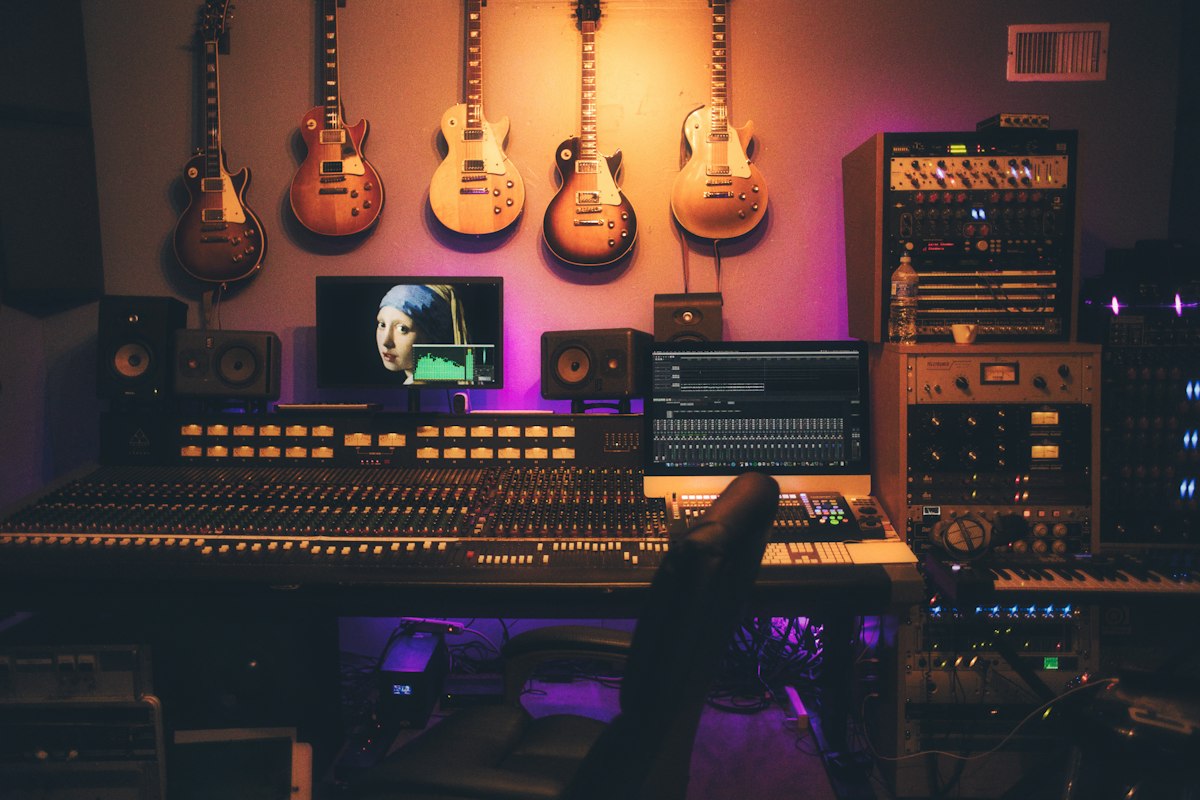
You Don't Have to Own the Show to Be a Podcaster
Sean O'Connor moved from Seattle to Venice Beach, picked up a hosting gig for a legal podcast network, and started figuring out that podcasting might be the thing. He just needed the setup to match the skill.
The Relationship Is the Asset — Not the Episode
I showed Robert Kennedy III the full PodGlue demo. His reaction to one feature made me realize most podcasters are leaving their most valuable asset completely untended.

She Already Had the System — What She Didn't Have Was the Studio
LeAnn Lyon had GoHighLevel fully automated, three years of podcasting experience, and a brand she wore the same way every day. What she was still building was the room.

What Cliff Ravenscraft Told Me About PodGlue
The podcast answer man gave me the most honest feedback I've received. It changed who I think PodGlue is actually for.

Document, Don't Create — What a Golf Tournament Taught Me About Starting a Podcast
Louis Famiglietti was a month out from a three-day, three-course golf tournament he wasn't sure would work. Turns out podcasters know that feeling well.

I Interviewed 15 Podcast Agency Owners. Here's What They All Said.
Before I built PodGlue, I spent a year asking podcast professionals how they managed their shows. The answer was always the same — and it was a mess.
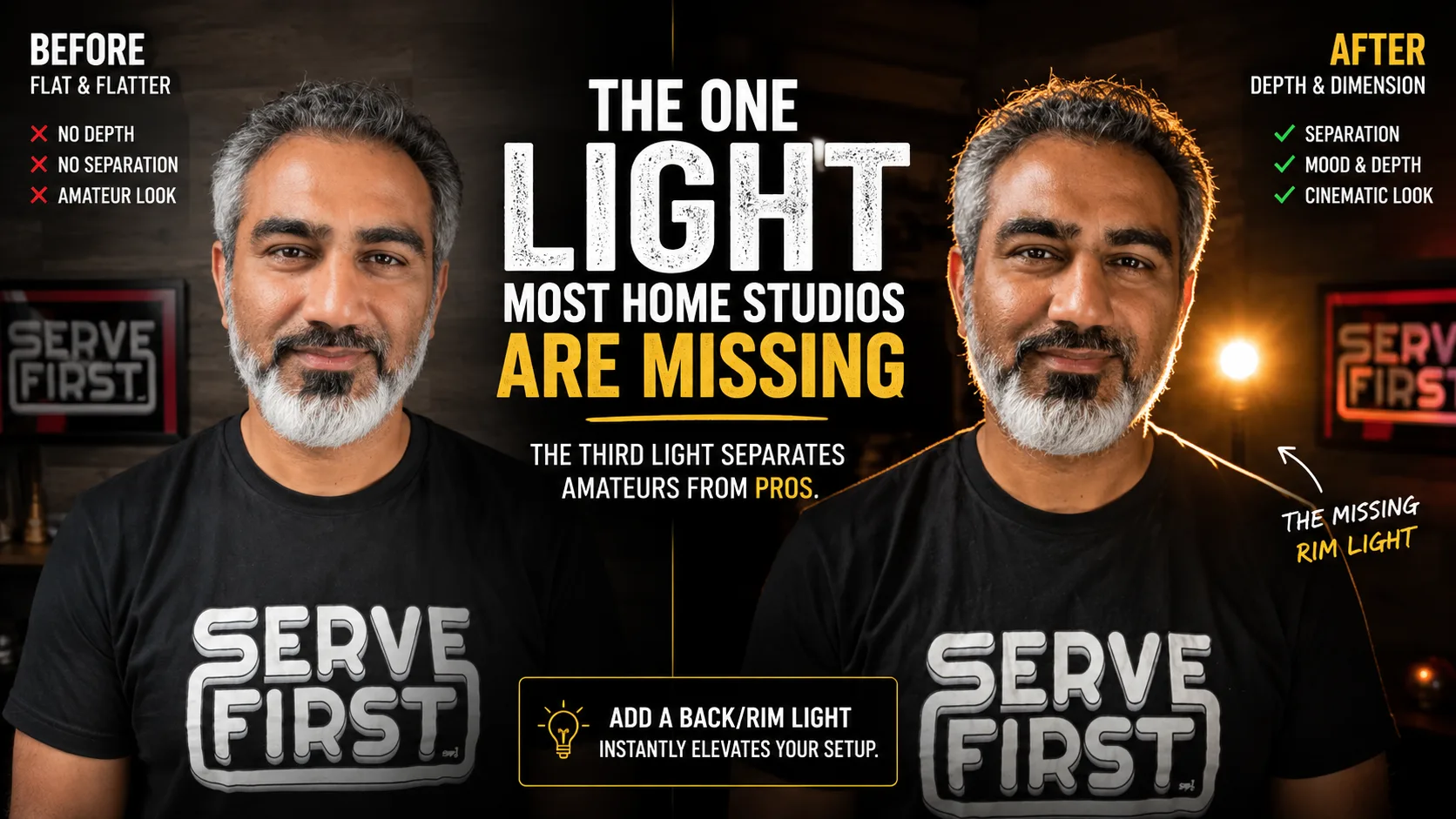
The One Light Most Home Studios Are Missing
You probably have front lighting. Maybe a ring light, maybe two panels. But there's a third light that separates amateurs from pros — and almost nobody has it.
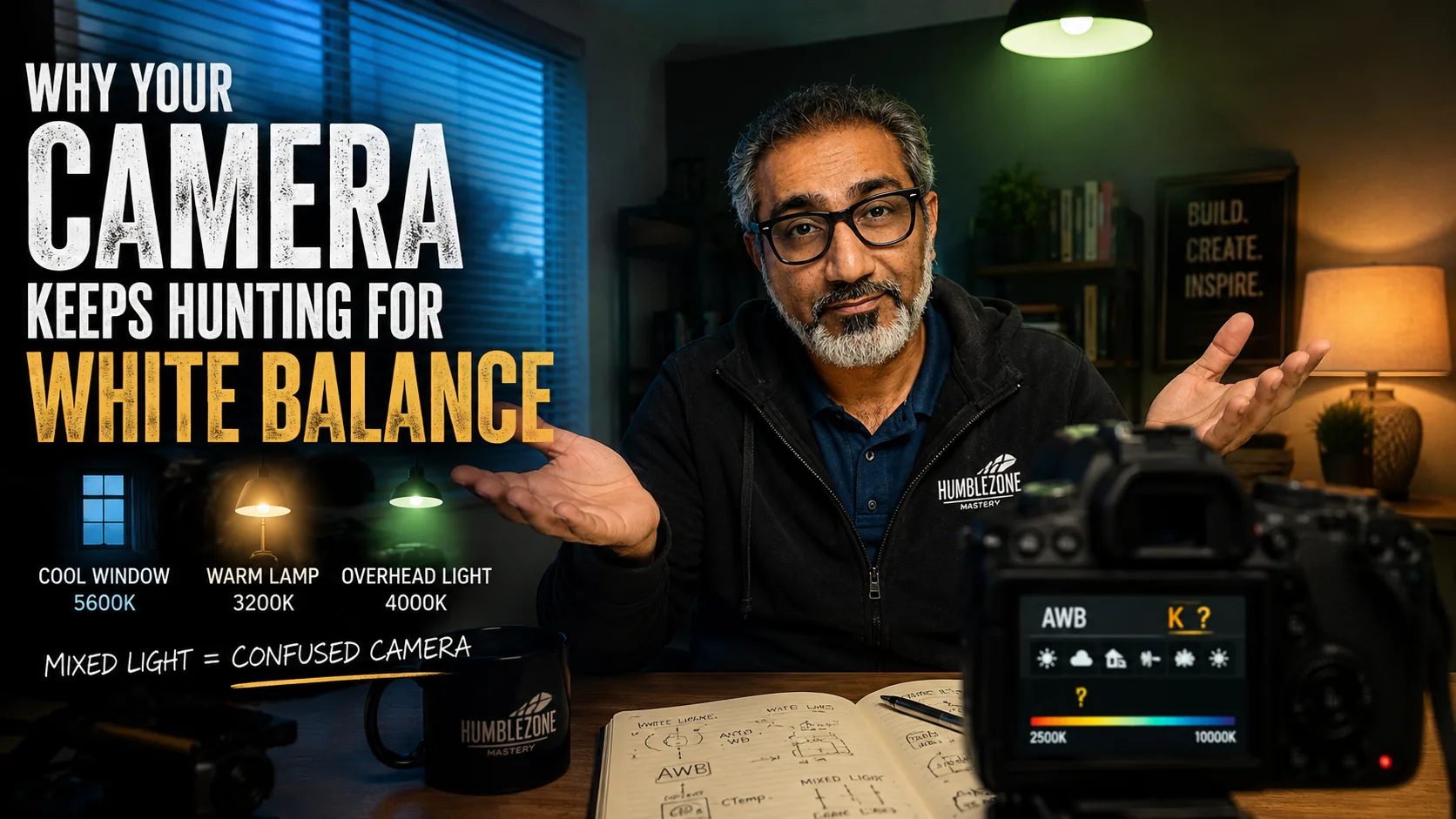
Why Your Camera Keeps Hunting for White Balance
If your image looks slightly off and you can't figure out why, there's a good chance your lights are fighting each other. Here's what's happening and how to fix it.

Why Ring Lights Make You Look Like a YouTuber (Not a Professional)
Ring lights were designed for makeup tutorials. If you're using one as your primary light for a podcast or LinkedIn video, here's what it's doing to your image.
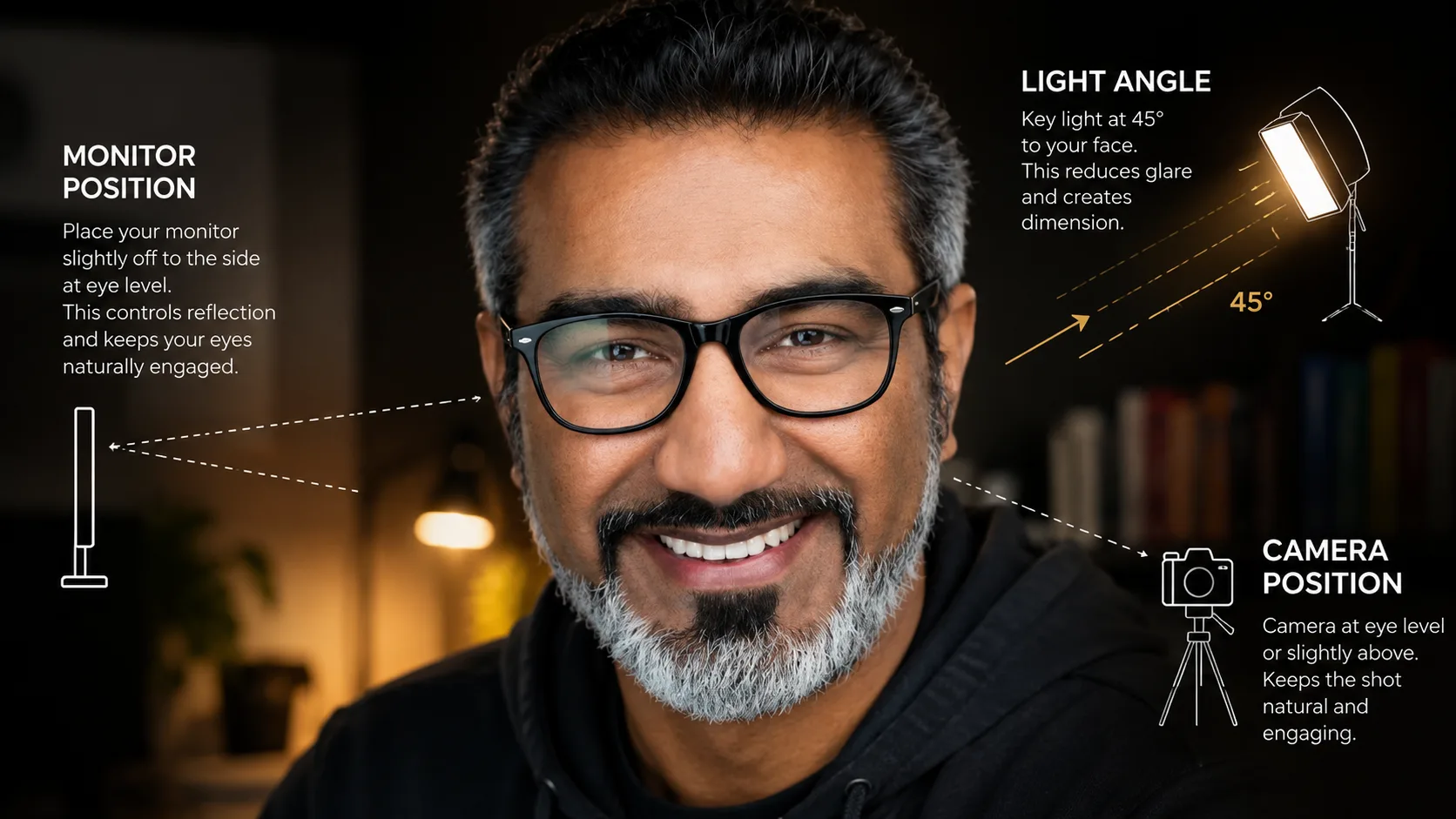
How to Stop Your Glasses from Glaring on Camera
If you wear glasses and record video, you've probably dealt with lens flare and reflection. Most of the fixes are simpler than you think — starting with your monitor.

Your Old DSLR Still Beats Your iPhone for Video
Yasir had a Nikon D90 sitting in his closet for fifteen years. He was planning to use his iPhone instead. Here's why I told him to dig out the Nikon.
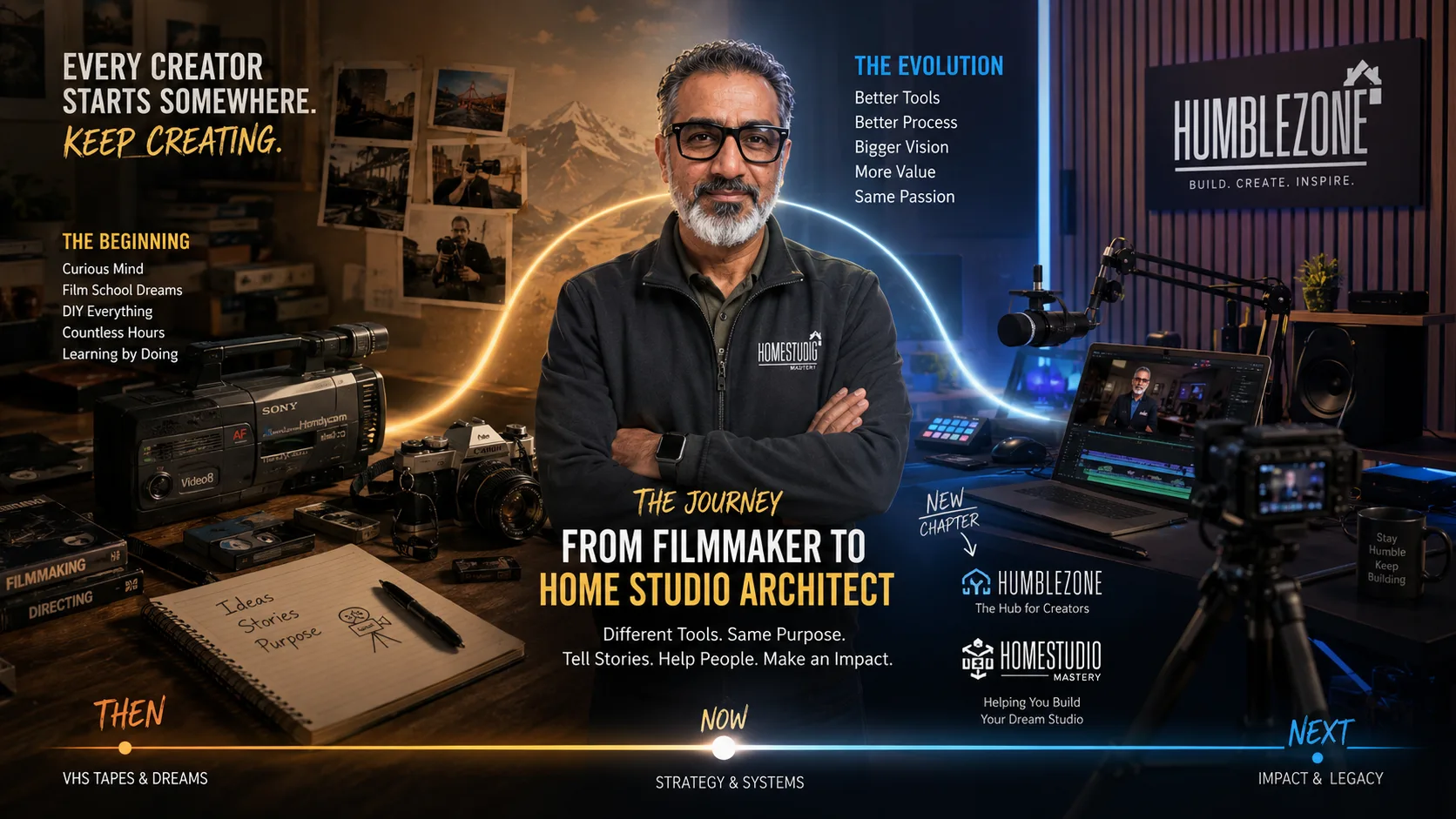
From Behind the Camera to Home Studio Mastery - Junaid Ahmed's Journey
30 years behind a camera before I thought seriously about what was behind me. How I went from videographer to home studio architect — and what changed everything.
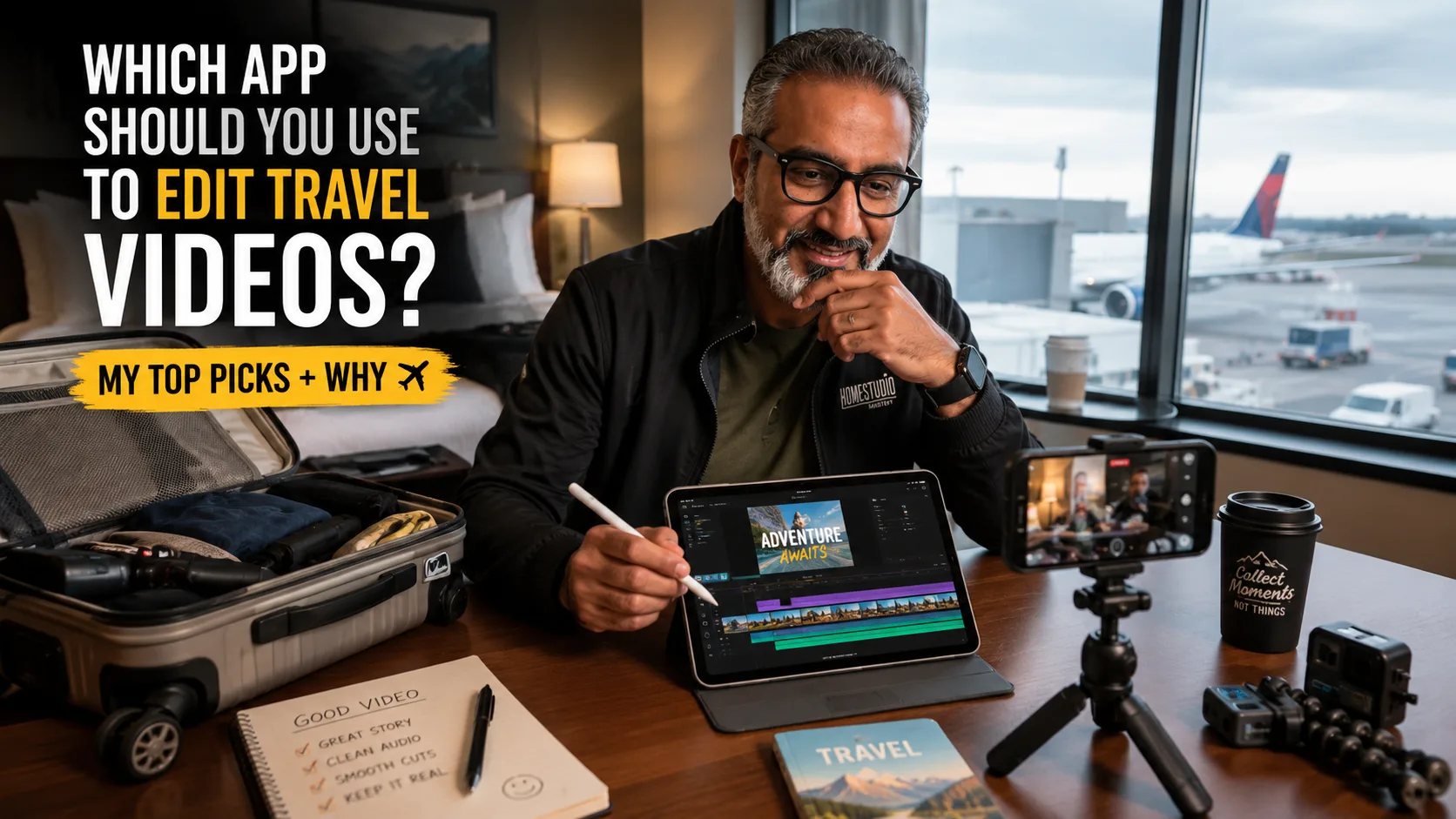
Be Like Curious George - Choosing the Right Video Editing App for Your Travel Content
Not every video editing app is built for travel creators. I tested CapCut, LumaFusion, and others on the road — here's how to pick the right one for your workflow.

Building Meaningful Relationships: Navigating Different Types of People
Building meaningful relationships is essential in both personal and professional life. Attending events like Podcast Movement Evolutions provides opportunities to connect with people of different type

Live Streaming for Small Businesses: How to Boost Your Local Brand Online
As a small business owner, you know how important it is to promote your brand and attract new customers. In today's digital age, one of the most effective ways to do this is through live streaming. In

The Importance of Community, Engagement, and Leadership
Discover the importance of community, engagement, and leadership in this heartfelt blog post. Join the author on their journey as they reflect on the role that family and friends have played in their life, and find inspiration to reach out and connect with those around you.

How to Publish a Book Using AI Technology in Just Two Weeks
Publishing a book can be a daunting task, especially when you're short on time. But what if I told you that with the help of AI technology, you can publish your book in just two weeks? In this article

Honoring My Beloved Grandmother: A Personal Guide to Visiting the Graveyard in Islam
A personal guide to visiting the graveyard in Islam — the duas, Quranic recitations, and customs to follow. Written after burying my grandmother at 97.
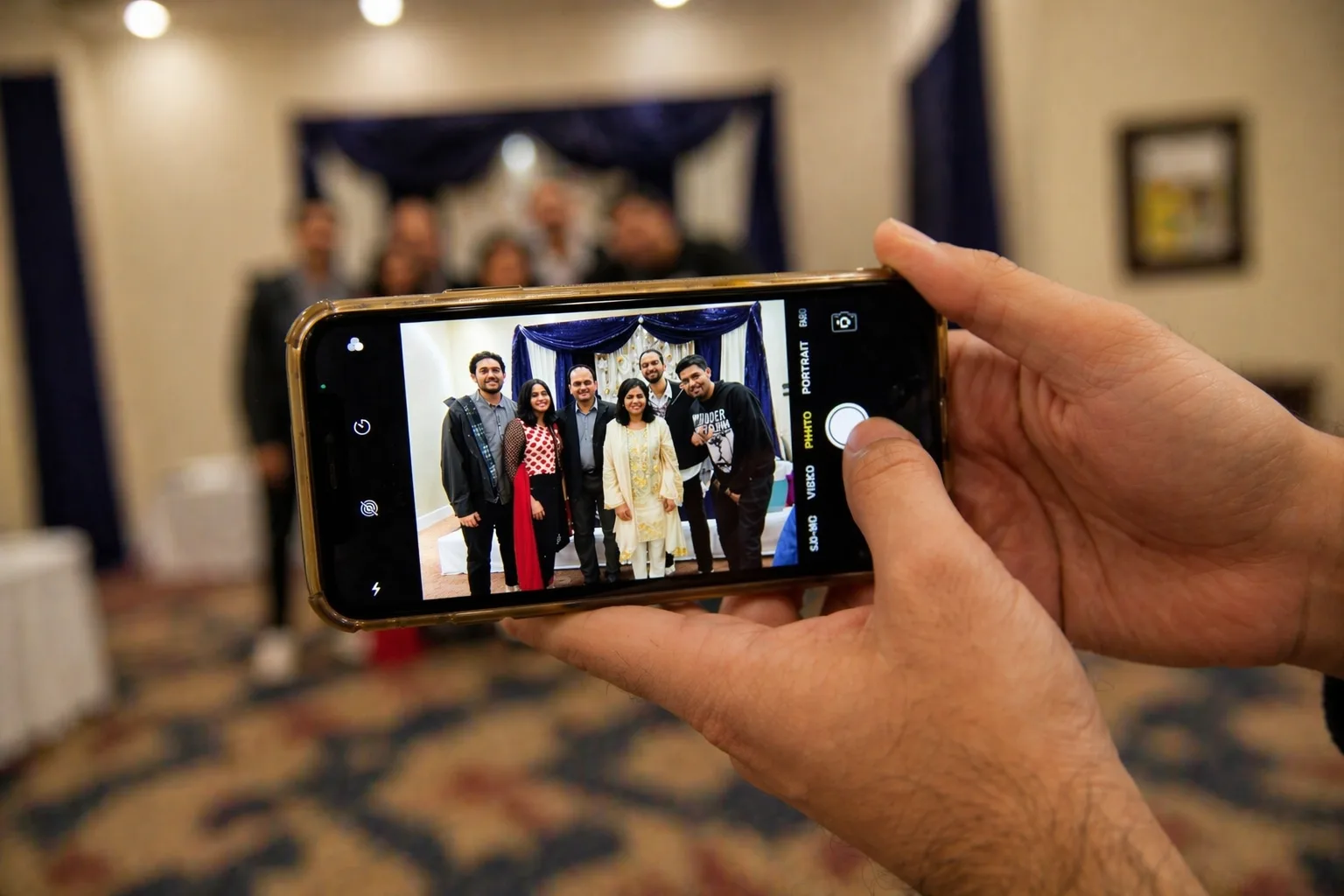
Stop Waiting, Start Creating: Mastering Mobile Video Production with the Tools You Have
Are you looking to create professional-quality videos but don't have access to expensive equipment or a professional setup? Fear not, because with the rise of smartphones and their ever-improving came
Short Form vs. Long Form Content: What's Needed to Grow Your Brand?
Balancing Short Form and Long Form Content: The Key to Sustaining Growth for Your Brand.
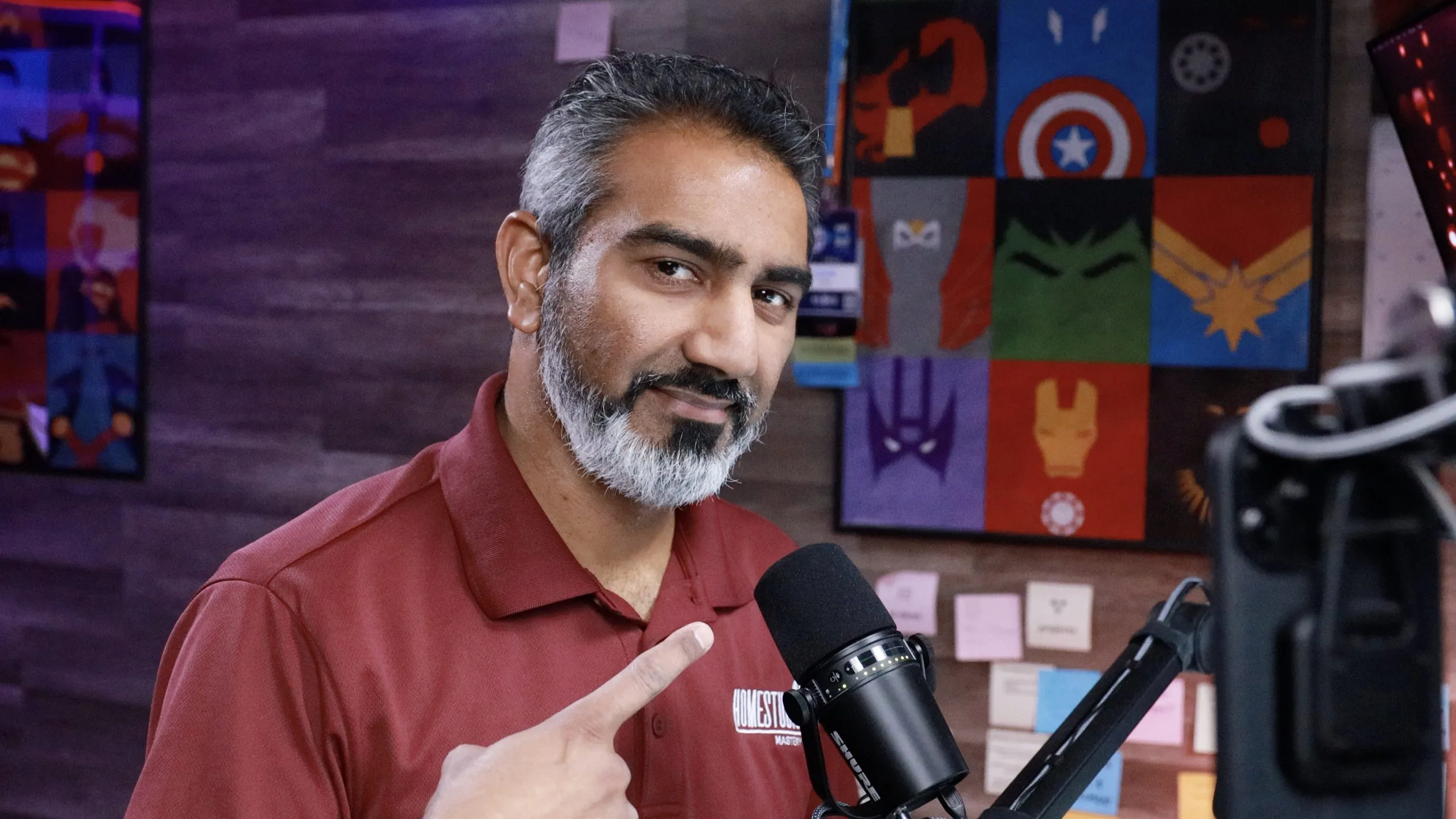
What it takes to launch a podcast?
I launched my podcast in 2018 after years of resistance. Here’s what it actually takes — the gear, the mindset, and the one thing nobody tells you before you hit record.
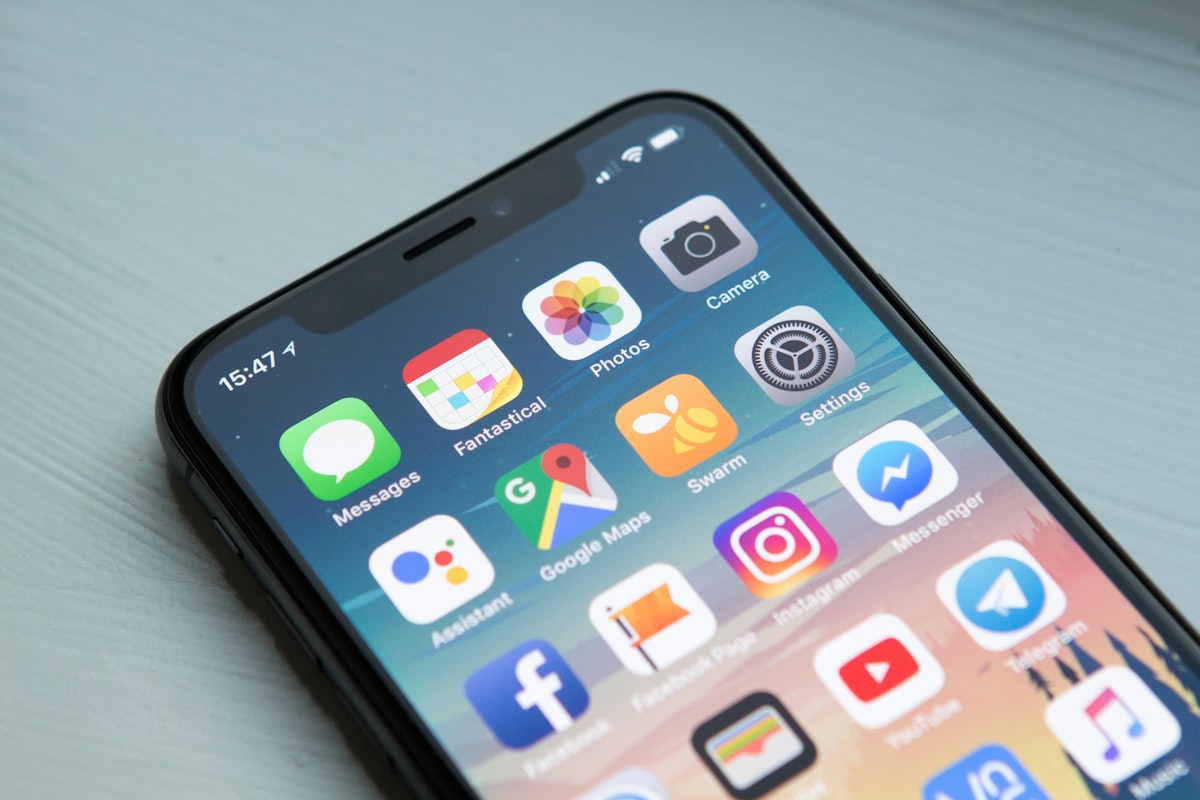
Leveraging your Smartphone for Video Production
In this article I'm going to talk about how you can use your smartphone to create videos that ultimately increase engagement.